RFID 재고 관리 시스템
RFID 재고 관리 시스템은 무선 주파수 식별 기술을 기반으로 하는 지능형 재고 관리 도구로, 전체 재고 관리 과정에서 자동 데이터 수집을 실현하여 재고 관리의 효율성과 정확성을 크게 향상시킬 수 있습니다.
1. 시스템의 핵심 구성 요소
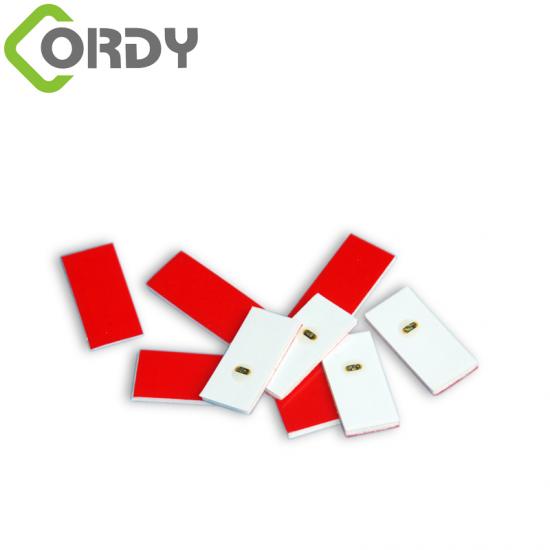
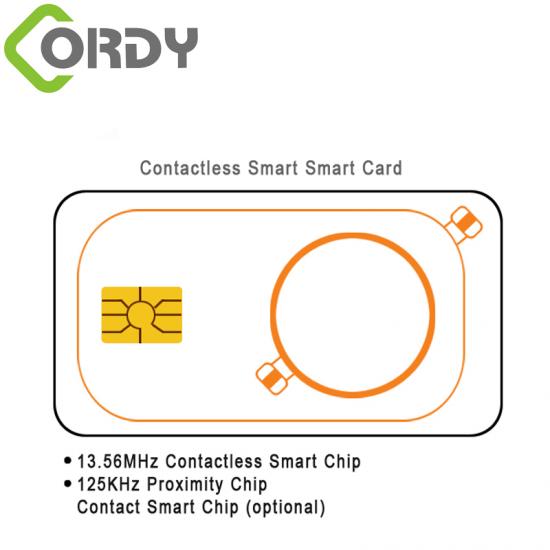
하드웨어 계층: RFID 전자 태그, 고정형/휴대용 판독기, 안테나, 스마트 트레이, 스마트 박스 및 기타 보조 장비를 포함합니다.
소프트웨어 계층: RFID 미들웨어와 재고 관리 소프트웨어로 구성되며, 데이터 필터링, 집계 및 전체 프로세스 비즈니스 운영을 지원합니다.
연동 기능: 개방형 API 인터페이스를 통해 기존 ERP, MES 및 기타 기업 시스템과 원활하게 통합되어 데이터 사일로를 해소할 수 있습니다.
2. 핵심 기능
효율적인 재고 관리: 일괄 비접촉 인식 기능을 지원하여 재고 효율성을 10~20배 향상시키고, 입고 및 출고 효율성을 5~10배 높일 수 있습니다.
높은 정확도: 재고 관리 정확도는 99.5%~99.9%에 안정적으로 도달하여 수작업 오류를 크게 줄입니다.
실시간 제어: 재고 데이터가 실시간으로 동적으로 업데이트되어 상품 위치 파악 및 창고 재배치를 위한 실시간 정보 동기화를 지원합니다.
완벽한 공정 추적성: 고유한 전자 코드를 사용하여 보관, 이동, 출고에 이르기까지 상품의 전체 수명 주기를 추적할 수 있습니다.
3. 일반적인 산업 응용 시나리오
일반 제조/전자상거래 물류: 기존 창고에서의 입고, 출고, 재고 관리 및 이송의 전 과정을 포괄하며, 다양한 카테고리의 상품 관리에 적합합니다.
보석 및 명품 산업: 초당 최대 200개 품목을 스캔할 수 있고, 2미터 범위 내에서 인식이 가능하며, 고가의 소형 품목 재고 관리의 어려움을 해결합니다.
고가 자재 관리: RFID 스마트 박스를 통해 빽빽하게 쌓인 상품을 3D 스캔하고, 고가 자재 재고 현황을 실시간으로 모니터링합니다.
4. 시행상의 장점 및 주의사항
핵심 이점: 인건비를 40~50% 절감하고 오배송 및 제품 손실로 인한 추가 손실을 최소화할 수 있습니다.
구현상의 어려움: 초기 하드웨어 투자 비용이 비교적 높으며, 투자 회수 기간은 일반적으로 8~18개월입니다. 금속 및 액체 환경은 RF 신호에 간섭을 일으킬 수 있으므로 사전에 환경 적응이 필요합니다.



 한국의
한국의  English
 français
 русский
 español
 português
 العربية
 Türkçe
 ไทย
ไทย Tiếng Việt